
Our History & Architecture Courses
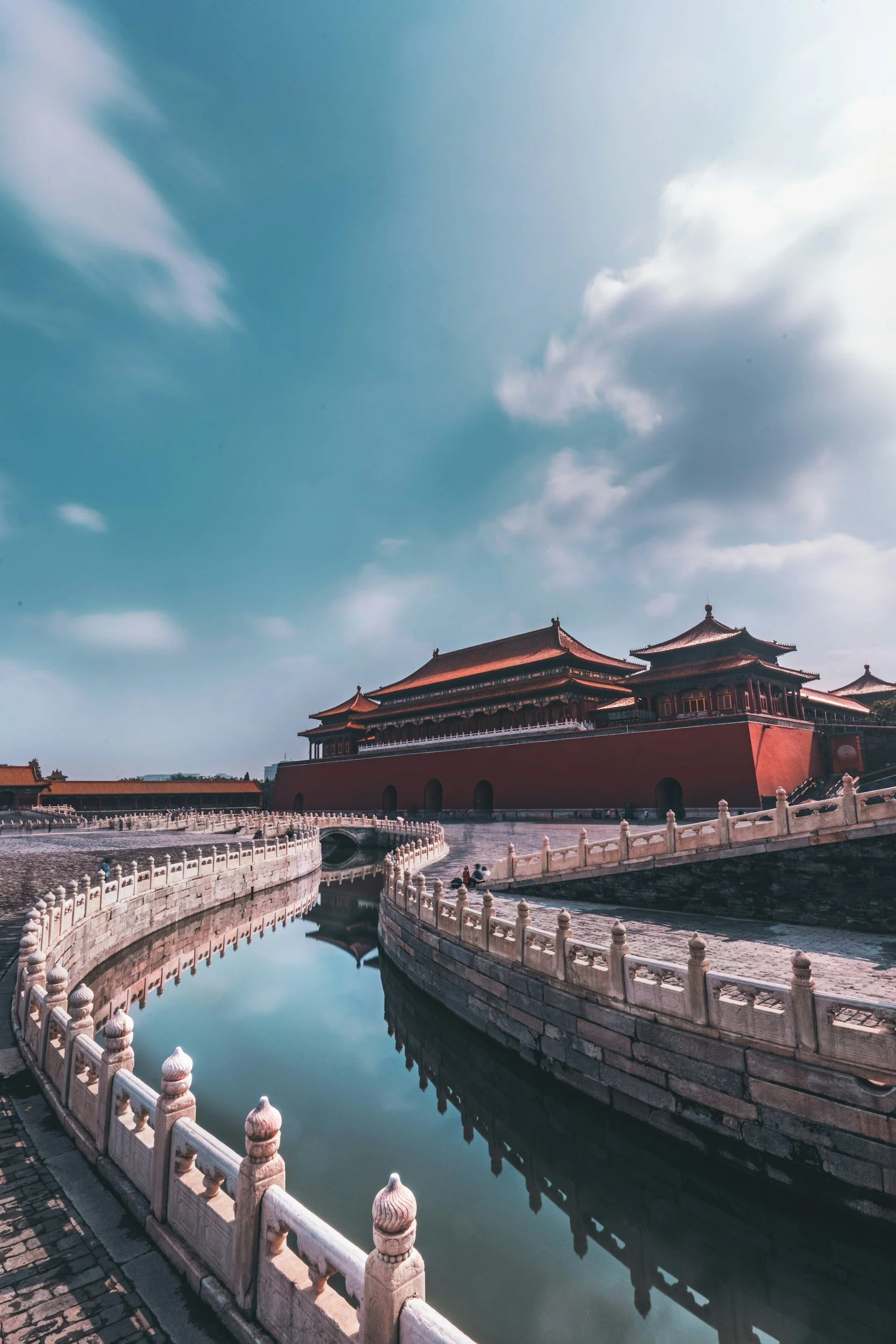
Beijing – Imperial Authority, Belief & Urban Order
The Beijing History & Architecture trip explores China’s imperial past and architectural legacy, using the capital’s historic landscape as a living classroom to examine how power, belief and social organisation have been expressed through the built environment.
Students study some of the most significant sites in Chinese history, analysing imperial palaces, ceremonial spaces, defensive structures and residential districts. Through site-based learning, guided discussion and reflective study, students develop an understanding of how architecture was used to reinforce authority, cosmology and governance, and how these ideas continue to influence modern China.
The trip supports History, Geography and Art & Design pathways, offering an immersive exploration of imperial China, urban planning and architectural symbolism within a global civilisations context.
Key themes include:
Imperial power and political authority
Architecture as belief, symbolism and control
Urban planning and social organisation
Continuity and change from imperial to modern China
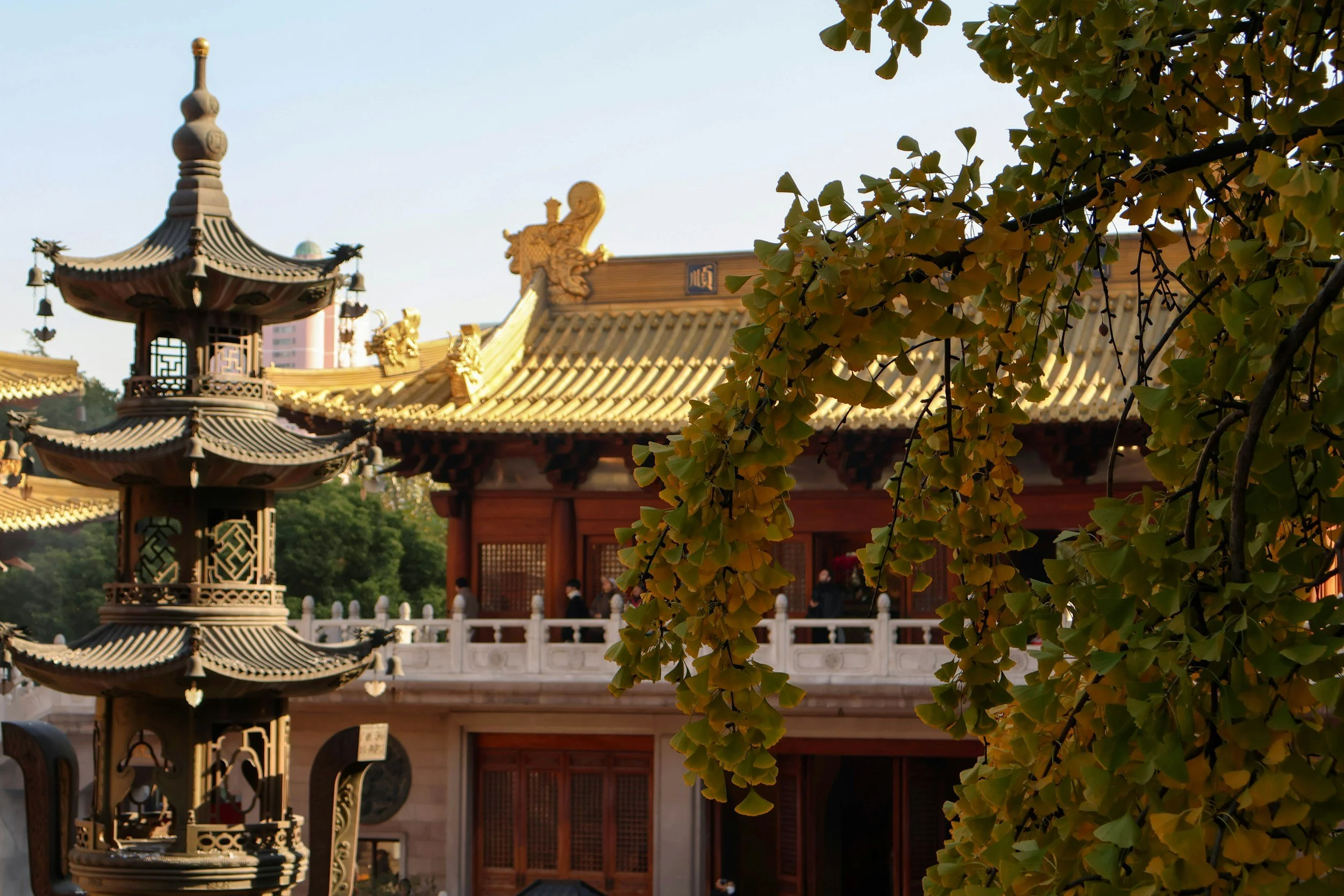
Shanghai – Global Influence, Urban Change & Architectural Identity
Shanghai History & Architecture explores how global influence, trade and political change have shaped one of the world’s most dynamic cities, offering students a unique lens on China’s transition from imperial society to modern global power.
Students ge to examine architectural layers ranging from classical Chinese design and colonial-era buildings to revolutionary sites and contemporary skyscrapers. Through site-based study, museum learning and school exchange, students analyse how architecture reflects power, identity and cultural exchange across time.
This trip supports History, Architecture, Art & Design and Politics pathways, providing a rich case study in urban development, globalisation and historical continuity and change.
Key themes include:
Architecture as power and global influence
Colonialism, trade and cultural exchange
Revolution, reform and modernisation
Urban identity in a global city
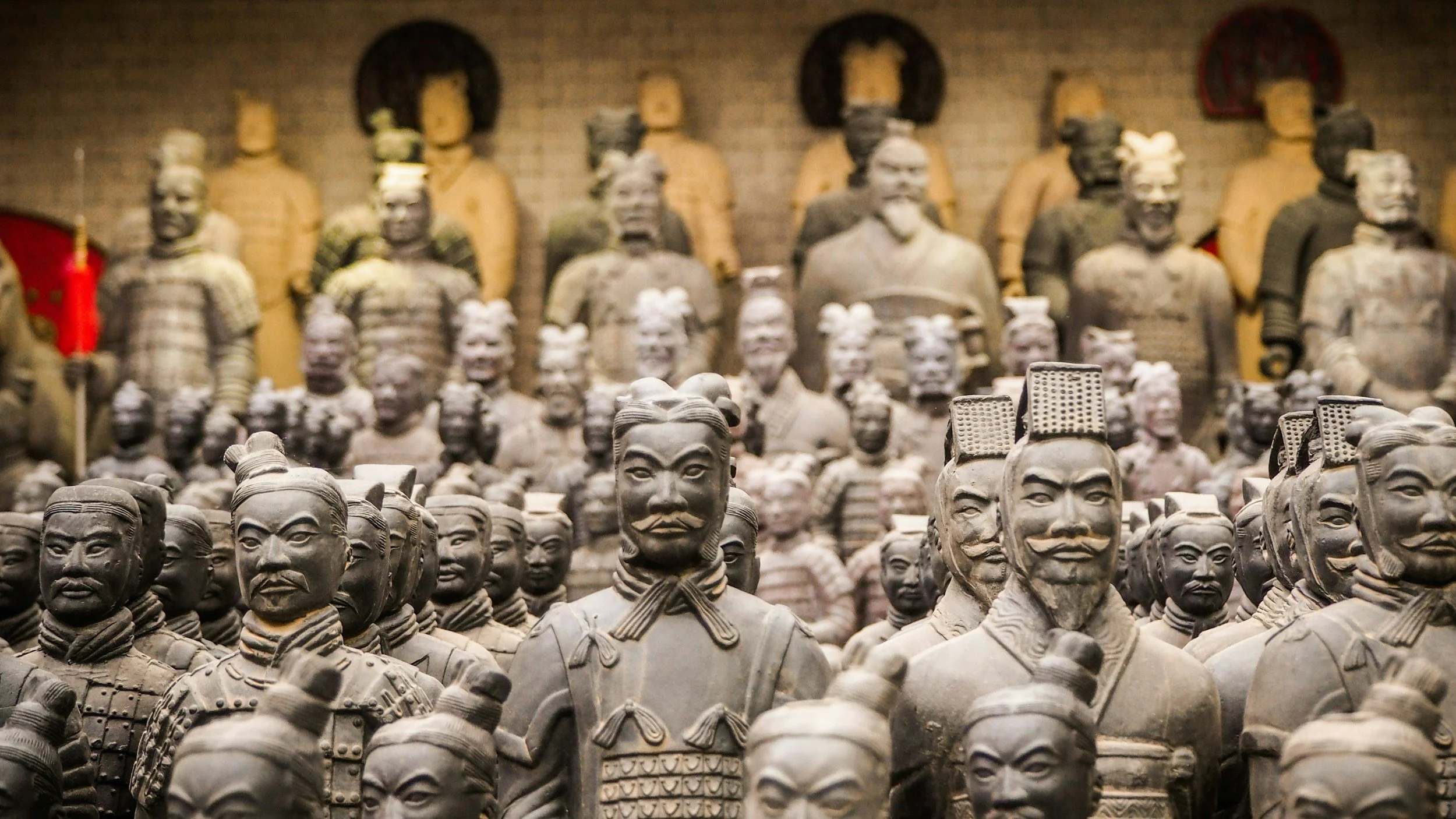
Xi’an – Imperial Capitals, Belief & Ancient Urban Design
Our Xi’an History & Architecture trip immerses students in the foundations of Chinese civilisation, exploring how imperial power, belief systems and defence shaped the architecture and urban planning of ancient China.
As one of China’s former imperial capitals, Xi’an offers exceptional insight into dynastic rule, city planning and monumental architecture. Students study defensive structures, religious buildings and funerary architecture, gaining understanding of how authority, philosophy and culture were expressed through the built environment.
Supporting History, Classical Civilisation and Architecture pathways, this trip offers a deep and tangible exploration of ancient China and its lasting influence on Chinese identity.
Key themes include:
Imperial authority and dynastic rule
Defensive architecture and city planning
Religion, belief and symbolism
Continuity between ancient and modern China
Our Price Guide
Typical course prices cost between £1,895 – £2,200 including flights
*Final prices will vary depending on group size, accommodation and activities undertaken when in China.