
Our Global Citizenship & International Relations Courses
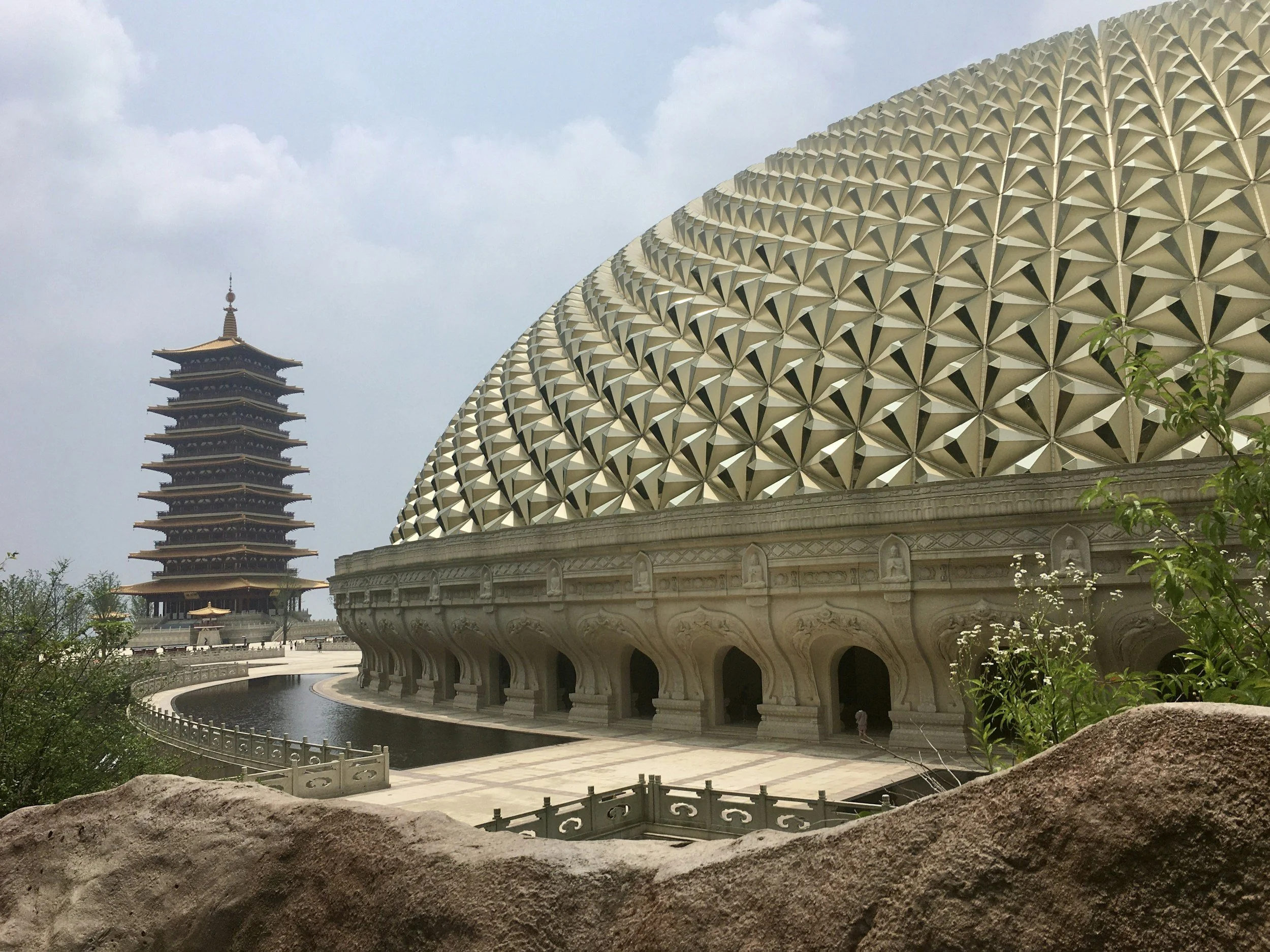
Beijing & Nanjing
This dynamic trip uses Beijing and Nanjing as living classrooms to explore how history, governance and international relations shape the modern world.
Students examine China’s role on the global stage through landmark sites, guided discussion and real-world context, gaining insight into political systems, diplomacy and national identity. By connecting Beijing’s focus on modern power with Nanjing’s historical perspective, students develop a deeper, more balanced understanding of global relationships.
Designed to support Politics, History, Geography and Global Studies, the trip builds critical thinking, global awareness and confident, informed perspectives.
Key themes include:
Governance and political systems
International relations and diplomacy
Historical memory and national identity
The impact of history on global relationships
China’s role in global affairs
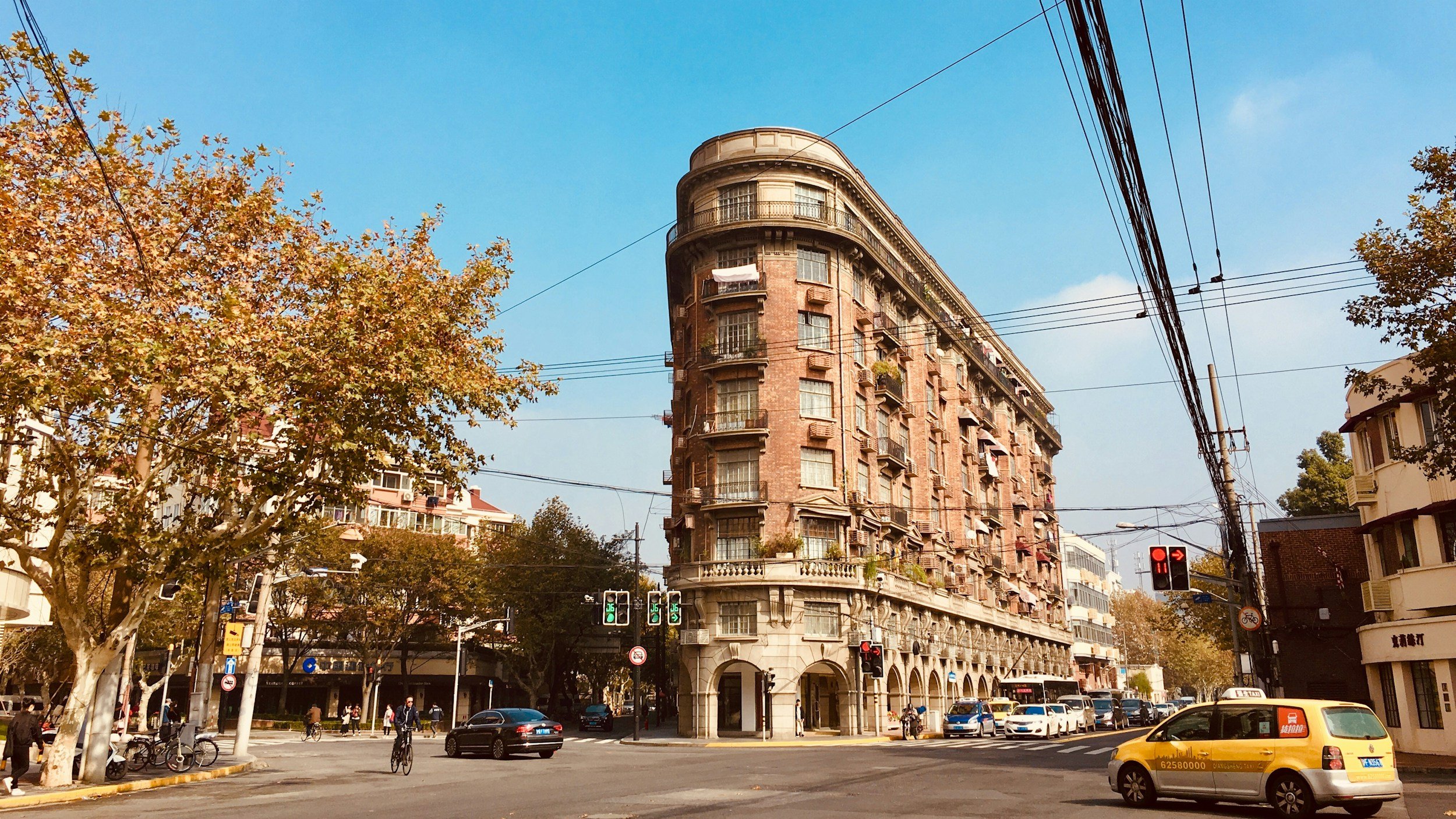
Shanghai
This enriching trip uses Shanghai as a living classroom to explore how globalisation, economic development and international influence shape the modern world.
Students examine China’s role within the global economy through urban exploration, real-world observation and guided discussion, gaining insight into trade, connectivity and the function of global cities. Shanghai’s unique position as an international hub provides a powerful lens through which to understand how modern economies operate and interact.
Designed to support Economics, Geography, Business and Global Studies, the trip builds critical thinking, global awareness and confident, informed perspectives.
Key themes include:
Globalisation and international connectivity
Economic development and global trade
Urbanisation and global cities
China’s role in the global economy
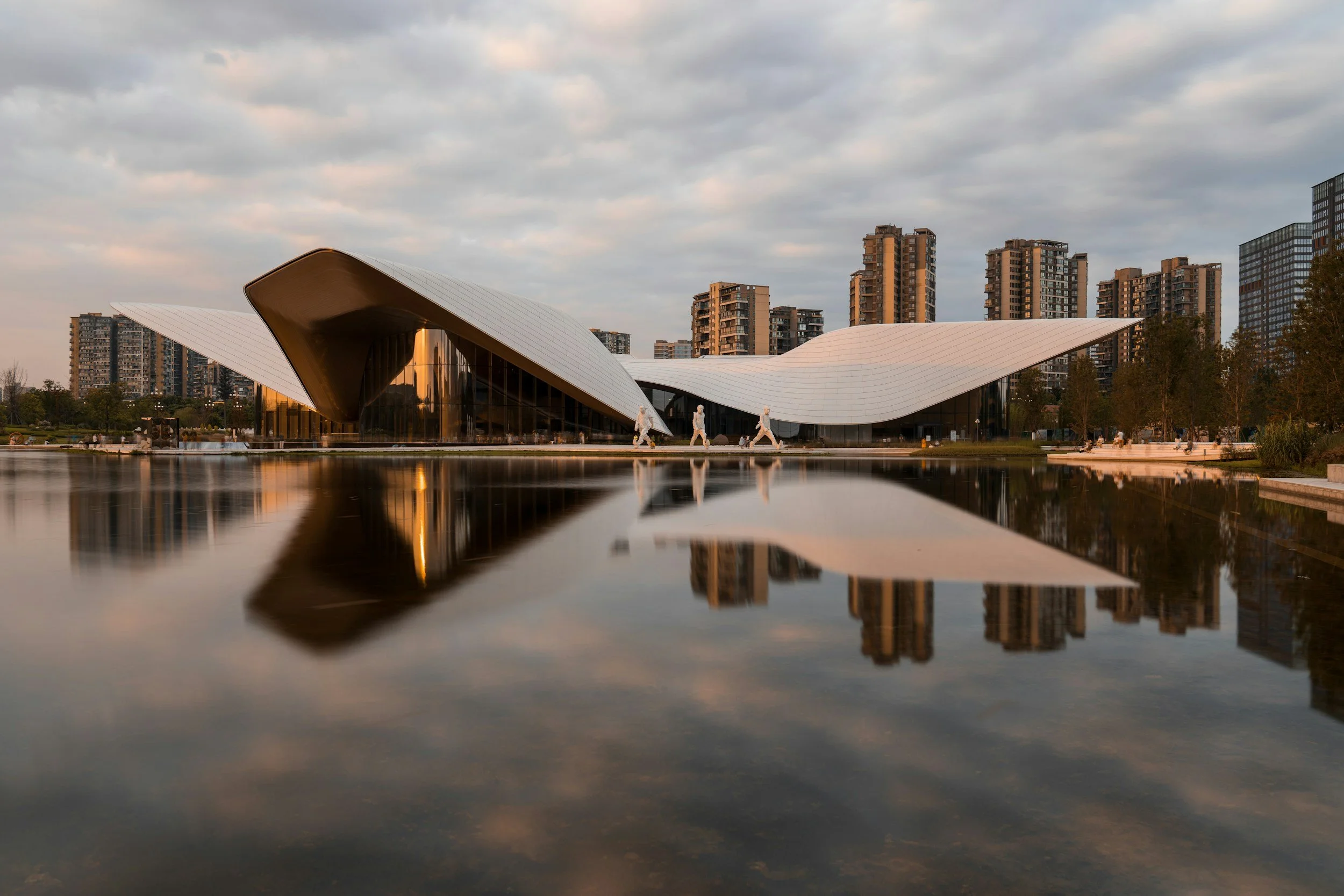
Chengdu
This engaging trip uses Chengdu as a living classroom to explore how culture, sustainability and community shape the modern world.
Students examine how environmental challenges, cultural values and regional identity influence perspectives within China and beyond. Through site-based learning, real-world observation and guided discussion, students gain insight into how local communities respond to global issues and how sustainability connects to everyday life.
Designed to support Geography, Environmental Science and Global Studies, the trip builds critical thinking, global awareness and a deeper understanding of cultural perspectives.
Key themes include:
Cultural identity and regional perspectives
Sustainability and environmental responsibility
Community and everyday life
Global citizenship and cultural understanding
Our Price Guide
Typical Course prices cost between £1,895 – £2,200 including flights
*Final prices will vary depending on group size, accommodation and activities undertaken when in China.